Introduction
Protecting your car’s finish is the single best way to preserve its aesthetics and resale value. In the world of premium car care, two solutions dominate: Paint Protection Film (PPF) and Ceramic Coating. While both shield your paint, they offer dramatically different levels of defense, durability, and cost.
Choosing the right protection for your vehicle depends entirely on your driving habits, budget, and desired level of defense. Here is a direct comparison to help you decide which solution offered by EVO Customs is best for you.
| Feature | Paint Protection Film (PPF) | Ceramic Coating |
| Primary Function | Physical Impact Shield | Chemical Resistance & Gloss |
| Protection | Superior against rock chips, deep scratches, and scuffs. | Excellent against chemical stains, UV fading, and etching. |
| Thickness | Thick, flexible polyurethane film (8–10 mils). | Thin, liquid nano-ceramic layer (less than 1 mil). |
| Self-Healing | YES (most quality films can self-heal light swirl marks with heat). | NO (does not self-heal). |
| Durability | 5 to 10+ years. | 2 to 5 years (depending on the formula). |
| Appearance | Invisible, high gloss, or matte finish available. | Adds depth, incredible gloss, and hydrophobic properties. |
Export to Sheets
1. Protection Level: The Key Difference
The core distinction is simple: PPF is a physical barrier; Ceramic Coating is a sacrificial layer.
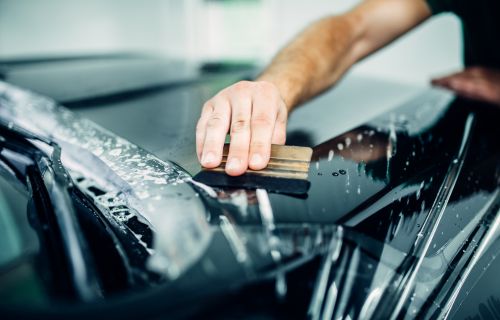
- PPF (The Armor): This is a thick, transparent polyurethane film applied to high-impact areas (like the hood, fenders, and bumpers). It literally absorbs and disperses energy from rock chips, deep scratches, and road debris. If absolute physical protection is your priority, PPF is the clear winner.
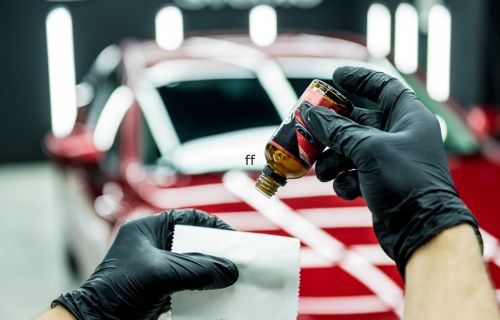
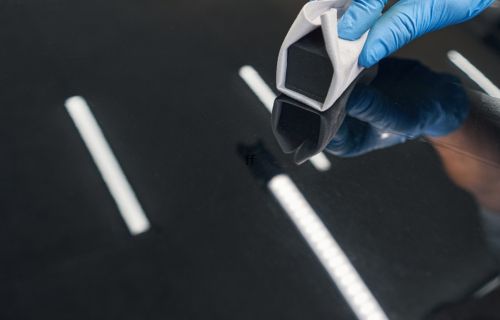
- Ceramic Coating (The Shield): This liquid polymer bonds with the factory paint to create a semi-permanent hydrophobic (water-repelling) layer. It protects against chemical etching (from bird droppings and bug splatters), UV damage (preventing fade), and makes the car much easier to clean. It does not stop rock chips.
2. Application Areas and Budget
Most clients don’t choose one or the other—they choose a strategic combination.
- PPF Strategy: Due to its higher cost, PPF is usually reserved for the most vulnerable “impact zones,” such as the front bumper, hood, fender edges, and side mirrors.
- Ceramic Coating Strategy: Because it is more affordable and easier to apply over large surfaces, the coating is typically applied to the entire car (including over the PPF) to enhance gloss, lock in shine, and provide the hydrophobic self-cleaning effect.
3. Which One is Right for You?
Choosing the right protection at EVO Customs Auto Care depends on your priorities:
| Scenario | Best Choice | Why? |
| Daily Driver / Highway Use | PPF + Ceramic Coating | Ultimate protection for the front end (PPF) combined with easy maintenance for the rest of the car (Coating). |
| Show Car / Garage Queen | Ceramic Coating | Protection against dust, UV rays, and environmental etching; maxes out depth and gloss. |
| Strictly Budget-Focused | Ceramic Coating | Offers excellent, long-term chemical protection and massive cleaning benefits at a fraction of the cost of full PPF. |
Conclusion: Lock in Your Shine and Value
Both PPF and Ceramic Coating are fantastic long-term investments that keep your vehicle looking newer for longer. For the highest level of comprehensive protection, combining the physical armor of PPF with the hydrophobic gloss of a Ceramic Coating is the industry gold standard.
Visit EVO Customs Auto Care today to discuss a custom protection package tailored to your vehicle and driving habits.